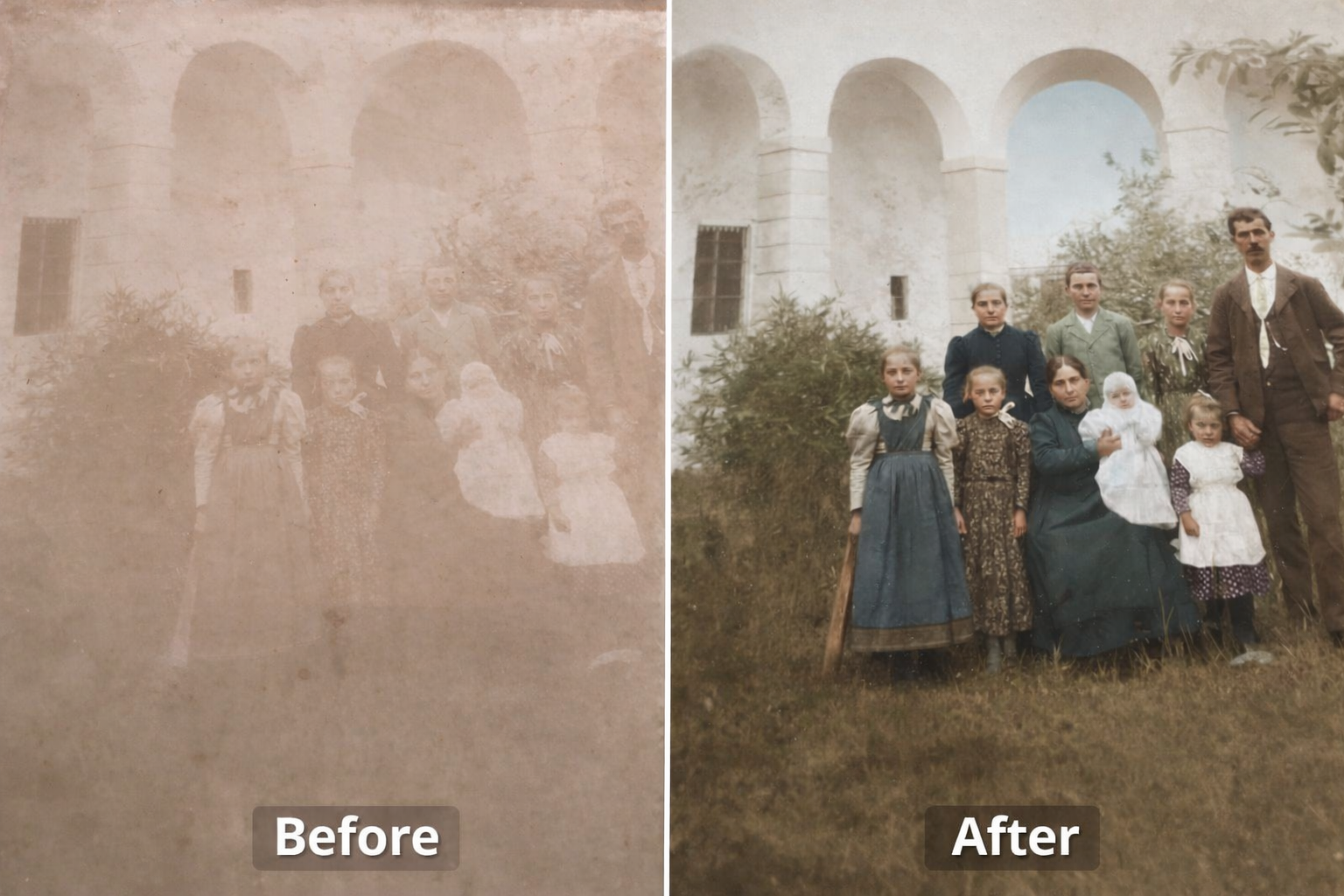
Among all the application fields of artificial intelligence, image production and processing has undergone the most significant qualitative improvement in recent years.
We have evolved from depictions of people with six, seven, or eight fingers and quite gruesome features to realistic imitations capable of deceiving even the most trained eye.
Yet, what strikes me most is a niche application of these capabilities: the restoration of period photographs.
It may be the contrast between the ancient and the avant-garde—between early 20th-century prints and highly advanced algorithms—but if I wish to demonstrate the potential of these new tools to someone of an older generation, I begin with this.
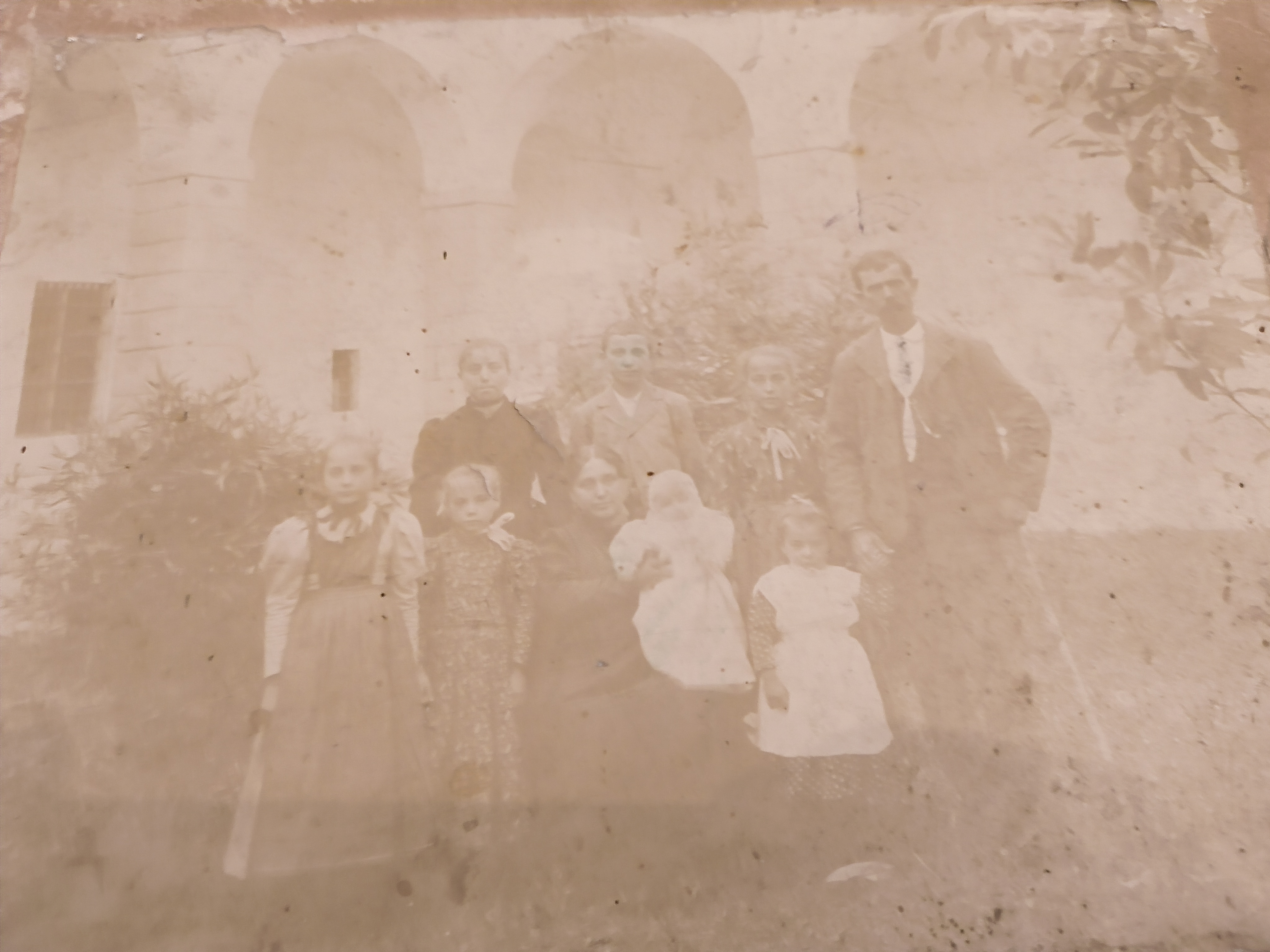

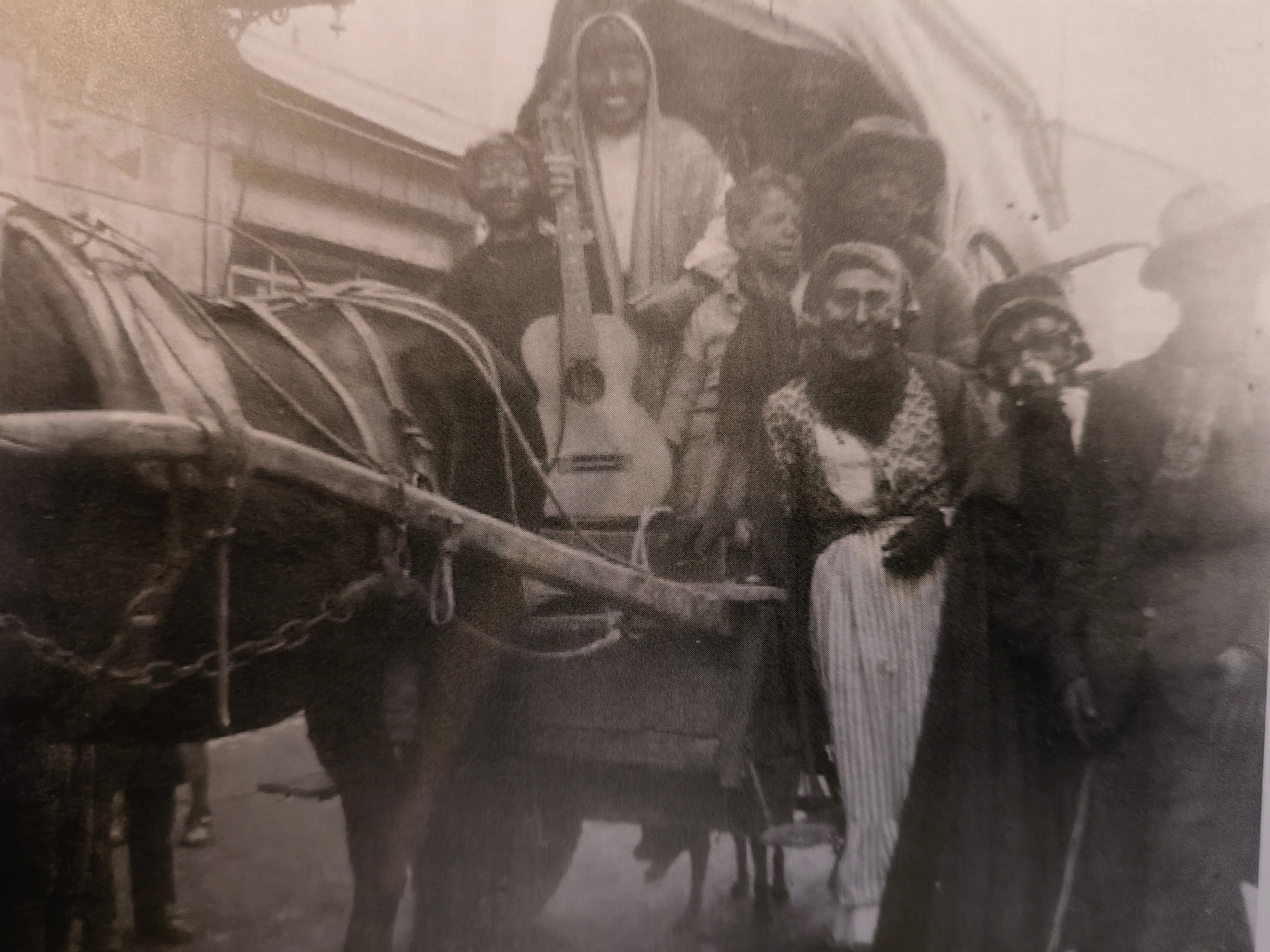
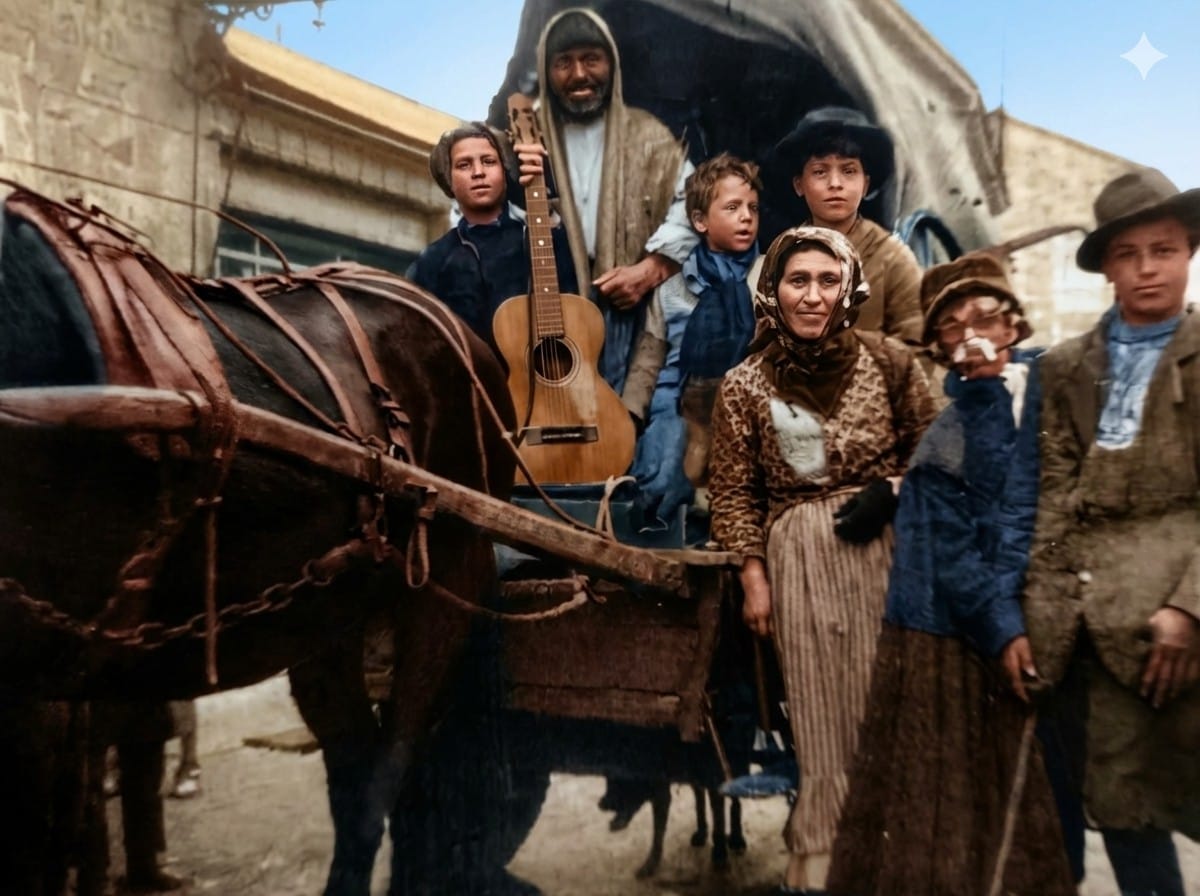
Has something been removed? Certainly. Has something been altered? I don’t doubt it.
But with just a few clicks, directly from our phones, we can attempt to reconstruct images of our past better than professionals could do until recently. And that’s no small thing.